
Alican Başak3 min readEssay
Jung's Boldest Claim: The Light Is Inside the Shadow
Acceptance isn't surrender
"To confront a person with their shadow is to show them their own light."
When Jung said this, he almost certainly didn't mean: list your flaws, then grow from them. But that's usually how the line gets read.
There's something deeper here.
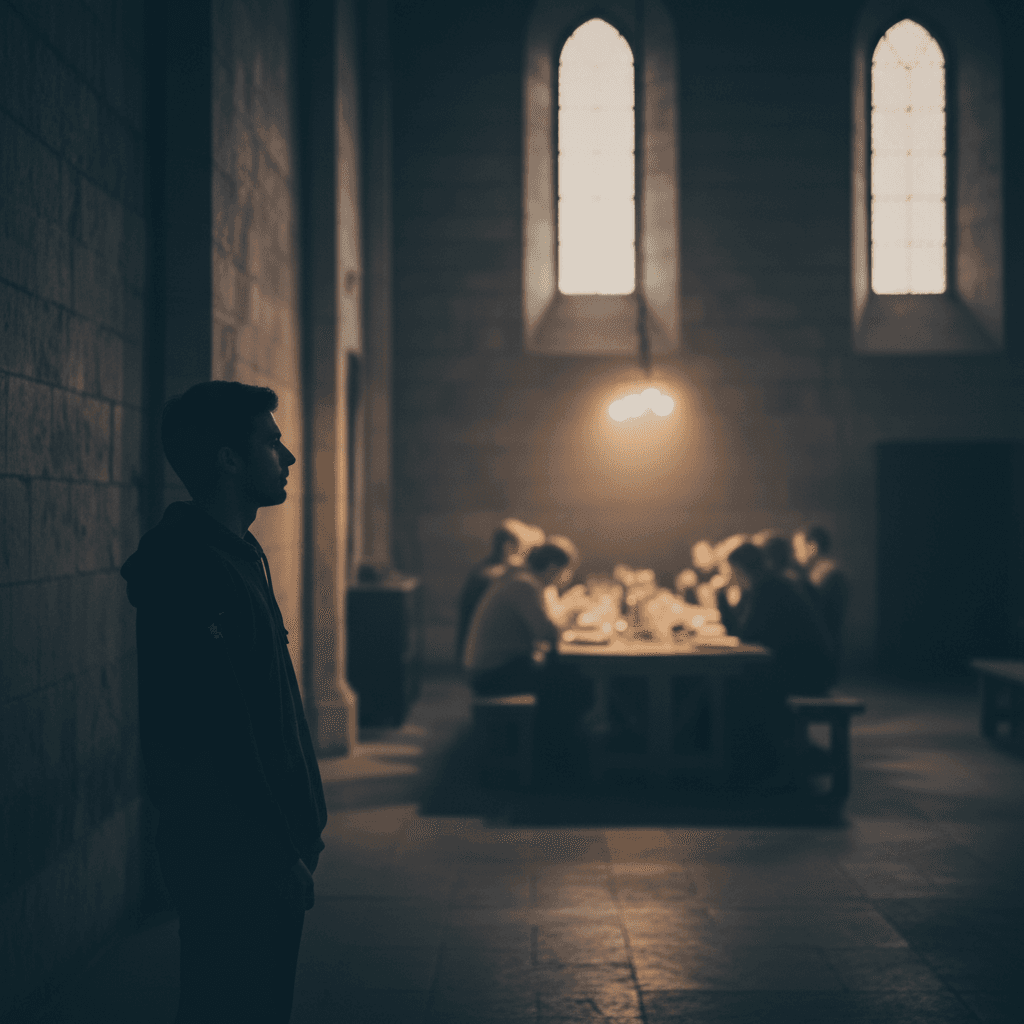
For Jung, the shadow is everything we've pushed into the unconscious — the emotions we're ashamed of, the impulses we can't accept, the parts of ourselves we dismiss with I'm not like that. They don't disappear. They just become invisible. And what's invisible can't be controlled.
Here's the paradox: the harder we try to keep the shadow at a distance, the more space it takes up. Repressed anger seeps out as impatience. Unacknowledged fear freezes into indecision. Rejected envy surfaces as they didn't deserve it anyway.
The shadow doesn't extinguish the light directly. It covers it.
Confronting the shadow means accepting that darker part — yes, I've been envious, yes, I've been afraid, yes, I've caused harm. Something strange happens inside that acceptance: the enormous effort of concealment stops. The energy that was going into hiding comes back.
That's why confrontation reveals the light. Not because it destroys the darkness, but because it returns the strength that carrying the darkness was costing you.
Applying this is not easy, I know. Confronting the shadow feels like agreeing to own your worst parts. But that's not what Jung meant. Those parts are already there — already with you, already steering you. Seeing them doesn't make them stronger. The unseen draws its power from not being seen.
Maybe Jung's boldest claim is this: light isn't on the opposite side of shadow. It's hidden inside it.
Beneath repressed anger, there's usually a strong sense of where your limits are. Beneath unacknowledged fear, a real value. Beneath rejected envy, a deep longing.
To see any of that, you have to look at the shadow first. It couldn't have been easy for Jung to say this — telling people look at the part of yourself you like least isn't comforting. It's the opposite of comforting.
But maybe that's exactly where the discomfort becomes meaningful. Looking at the shadow doesn't necessarily make us better people — it makes us more whole. And wholeness is something different from goodness. Goodness can be performed; wholeness can't. Because wholeness includes the parts that never make it onstage — the hidden ones, the repressed ones, the I'm not like that ones. Being able to carry all of them at once, without judgment, without running — maybe that's precisely what Jung meant by individuation.
Ask
Share
Related


Alican Başak
Founder and product engineer based in Turkey. I build operations software for manufacturers, and have worked on projects at Hyundai, ebebek, MegaMerchant, 51Digital, and Flycancel.
About →Stay in the loop
Get an email when I publish something new. No spam, unsubscribe anytime.